
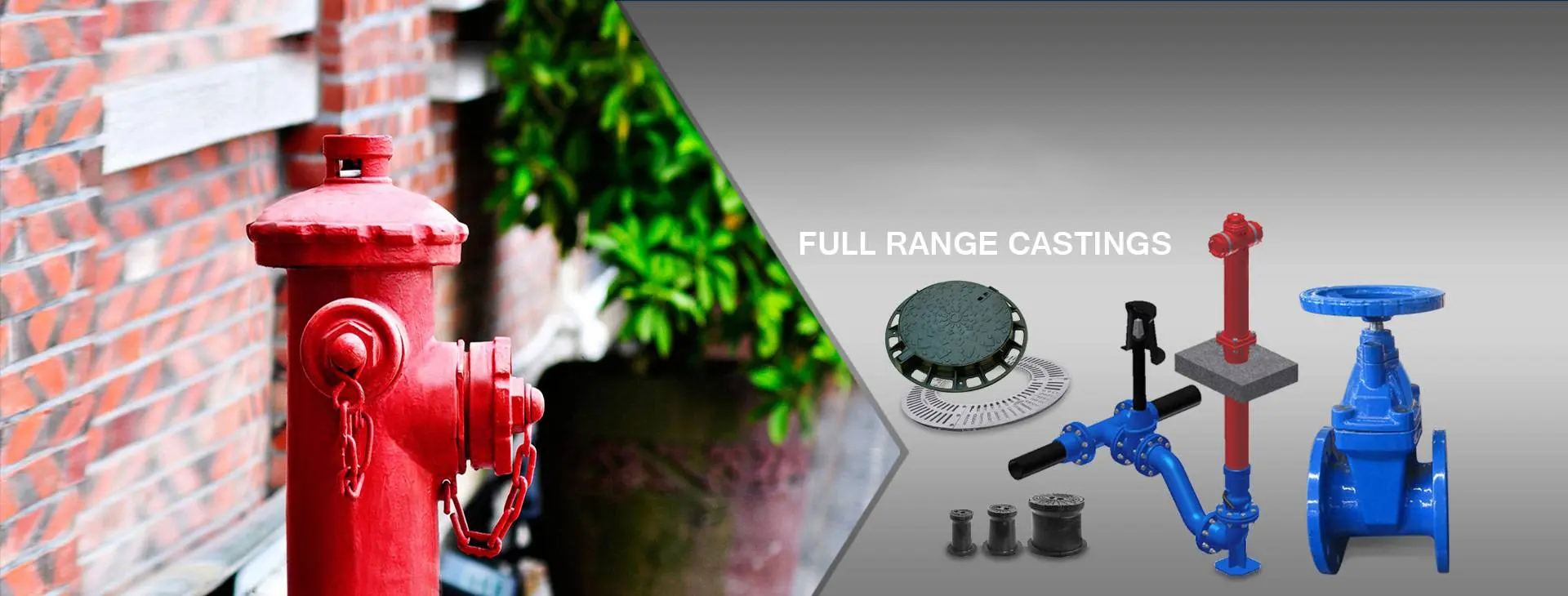
Types of Fire Hydrant: Leading China Manufacturers Explained
When it comes to fire safety, understanding the different types of fire hydrants is crucial for effective response strategies. As someone who values the importance of reliable equipment, I found a range of high-quality fire hydrants manufactured in China that stand out in the market. Each hydrant is designed to meet various needs, whether for urban areas or rural settings. From standard models to specialized variants, we offer robust solutions that ensure optimal water flow and pressure during emergencies. Our products are crafted with durability in mind, ensuring long-lasting performance even in the harshest conditions. Partnering with a trustworthy manufacturer like us guarantees you access to top-notch hydrants that comply with international standards. If you're looking to enhance your fire response capabilities, consider investing in our fire hydrants today. They represent not just safety but reliability in times of need.


Types Of Fire Hydrant Ahead of the Curve More Than a Supplier - A Partner
When it comes to fire safety, having the right infrastructure in place is critical. Understanding the different types of fire hydrants available is essential for ensuring that they meet the needs of any project, especially for global procurement professionals seeking reliable partners. Fire hydrants can generally be classified into two main types: wet barrel and dry barrel hydrants. Wet barrel hydrants are commonly used in warmer climates where they do not have to worry about freezing temperatures. These hydrants allow water to remain in the system and are immediately ready for use. On the other hand, dry barrel hydrants are designed for colder regions, featuring a valve mechanism that keeps the water supply below frost line, minimizing the risk of freezing. Choosing the appropriate hydrant is crucial, not just as a supplier but as a partner who understands the unique requirements of each market. A forward-thinking supplier actively engages in discussions with clients to comprehend the local regulations, environmental conditions, and project specifications. This consultative approach goes beyond mere transactions; it forms a lasting partnership dedicated to enhancing safety and efficiency. By collaborating with stakeholders, suppliers can tailor solutions that address every aspect of fire safety, from the design phase to installation and ongoing maintenance. In our ever-evolving landscape of global procurement, aligning with partners who prioritize innovation and responsiveness makes all the difference. Quality should be non-negotiable, especially in life-saving solutions like fire hydrants. Furthermore, suppliers that offer comprehensive support services, including training and technical assistance, position themselves not just as vendors, but as integral partners in ensuring fire safety. By fostering these relationships, procurement professionals can be assured that they are equipped with the best fire protection solutions, staying ahead of the curve in a critical industry.
Types Of Fire Hydrant Ahead of the Curve More Than a Supplier - A Partner
| Type | Material | Operating Pressure (psi) | Connection Type | Flow Rate (gpm) |
|---|---|---|---|---|
| Wet Barrel | Cast Iron | 150 | Threaded | 1500 |
| Dry Barrel | Ductile Iron | 200 | Flanged | 1200 |
| Post Indicator Valve | Bronze | 150 | Flanged | 1000 |
| Compression | Aluminum | 175 | Threaded | 1600 |
Related Products


Types Of Fire Hydrant Where Service Meets Innovation More Than a Supplier - A Partner
Top Selling Products


- Related Blog
- Reviews
